
Colour-Safe Shampoo 101: How to Protect (and Refresh) Your Hair Colour
By LoverCare Team · Updated 18 June 2026 · 6 min read
If you’ve ever watched a fresh salon colour fade a shade lighter with every wash, the shampoo you’re using is usually part of the story. This guide explains, in plain terms, what actually causes colour to fade, how to read a shampoo label for yourself, and which LoverCare products fit which part of the routine — so you’re not guessing.
Colour-protecting vs. colour-depositing: two different jobs
These terms get used interchangeably online, but they describe different products. A colour-protecting (or “colour-safe”) shampoo is a maintenance product — its job is to cleanse hair without stripping out the colour that’s already there. It doesn’t add pigment. A colour-depositing shampoo, sometimes sold as an at-home “colouring shampoo,” does the opposite: it actually deposits pigment onto the hair shaft each time you wash, which can refresh a fading shade or cover regrowth between salon visits.
Both have a place in a colour-treated hair routine, but they solve different problems. If your colour is fading evenly and you just want to slow that down, you want a protecting shampoo. If your roots are showing or your colour has gone flat, a depositing shampoo addresses that more directly.
What actually fades hair colour
Colour molecules sit inside the hair shaft, under the outer cuticle layer. A few everyday things make it easier for them to escape:
- Hot water lifts the cuticle, which lets colour wash out faster — most noticeable in the first week or two after colouring.
- Strong sulfate detergents (sodium lauryl sulfate is the harshest common one) clean effectively but can pull pigment out along with dirt and oil.
- UV exposure breaks down colour molecules over time, which is why colour fades faster over an Australian summer than indoors.
- Mineral and product buildup from hard water or styling products can dull colour and make it look less vibrant, even if the pigment itself is mostly intact.
What to check on the label
You don’t need to memorise an ingredients glossary. A few quick checks tell you most of what matters:
- Surfactant type — milder ether sulfates (like sodium laureth sulfate) or sulfate-free cleansers are gentler on colour than sodium lauryl sulfate.
- Conditioning agents — ingredients like panthenol, hydrolyzed keratin, or silk amino acids help seal the cuticle after cleansing, which helps hold colour in.
- UV or antioxidant additions — useful if your hair gets a lot of sun or you live somewhere bright most of the year.
- Fragrance and dye load — if you have a sensitive scalp, simpler formulas with fewer added fragrances are usually the safer starting point.
A shampoo doesn’t have to be marketed specifically as “colour-safe” to be a reasonable choice — a gentle, conditioning, sulfate-light formula will treat colour-treated hair well even without that label on the bottle.
Two ways LoverCare fits into a colour-care routine
We make products for two different stages of colour-treated hair care, and it’s worth being clear about which is which.
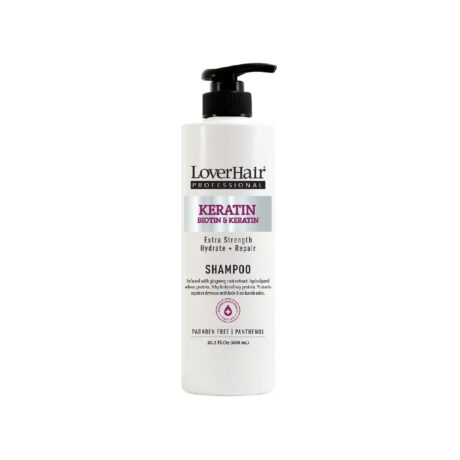
For day-to-day hydration and strength: LoverHair Professional Keratin & Biotin Shampoo
A paraben-free shampoo built around biotin, hydrolyzed keratin, and ginseng root extract, designed to hydrate and strengthen hair that’s been through chemical processing (colour, bleach, or heat styling) without weighing it down. It’s a maintenance shampoo, not a colour depositor — use it on regular wash days to keep hair in good condition between colour services.
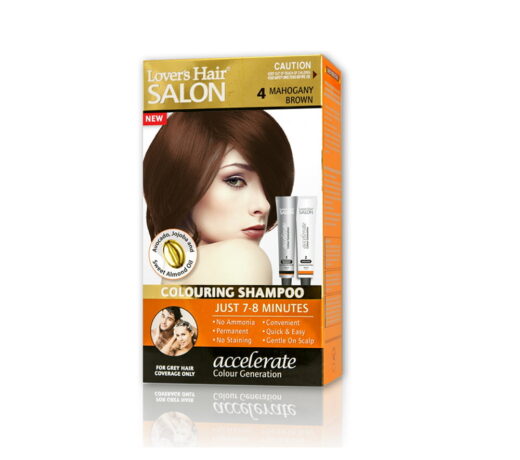
For refreshing colour or covering regrowth at home: Lover’s Hair Salon Colouring Shampoo
This is a 2-in-1 colour-depositing shampoo, not a maintenance product — it cleanses and deposits tone in the same step, with a 7–8 minute processing time for grey coverage. It’s the right choice when your colour itself needs refreshing or topping up between salon visits, available across several natural shades.
Habits that make any shampoo work harder
- Rinse with cool or lukewarm water, especially in the first week after colouring — it keeps the cuticle closed.
- Wash two to three times a week rather than daily; use a hydrating conditioner on the days in between.
- Wear a hat or use a leave-in product with UV protection if you’ll be outside for long stretches.
- Let hair air-dry or use a microfibre towel where possible — vigorous towel-rubbing roughs up the cuticle and speeds up fading.
Frequently asked questions
What’s the difference between colour-protecting and colour-depositing shampoo?
Colour-protecting shampoo cleanses without stripping the colour you already have. Colour-depositing shampoo actively adds pigment to the hair as you wash. They solve different problems — protecting maintains, depositing refreshes or covers.
Do I need a completely sulfate-free shampoo to protect colour-treated hair?
Not necessarily. The harshest sulfates fade colour fastest, but milder ether sulfates paired with conditioning agents can still work well for regular use. Read the full ingredient list rather than relying on a “sulfate-free” label alone.
How often should I wash colour-treated hair?
Two to three times a week is generally enough for most people, using a gentle shampoo on wash days and conditioner in between, to limit how often colour is exposed to water and surfactants.
Does water temperature really affect how long hair colour lasts?
Yes — hot water opens the hair cuticle and lets colour molecules escape more easily. Cool or lukewarm rinses help keep the cuticle closed, especially in the days right after a colour service.
LoverCare Team
Written and reviewed by LoverCare’s hair care team, who work directly with our LoverHair Professional and Lover’s Hair Salon ranges. [Adjust this line to describe what your team actually does — e.g. product development, customer care, or in-house testing — so it stays accurate.]
This guide reflects general hair-care practice and product information current as of the “Updated” date above. Product names, ingredients, and prices are subject to change — check the linked product pages for current details.