
Choosing the Best Baby Bath Soap
Welcoming a newborn into your life brings immense joy and responsibility. Among the myriad of decisions to be made, choosing the right bath soap for your baby might seem trivial, but it is crucial. The delicate skin of infants demands gentle and effective care. This guide aims to help you navigate the world of baby bath soaps, ensuring you make an informed choice for your little one’s skincare needs.

Before diving into product choices, it’s important to understand the unique characteristics of infant skin. A baby’s skin is about 30% thinner than an adult’s, which means it can absorb substances more quickly. It’s also more prone to dryness and irritation. Therefore, selecting the right baby bath soap is essential to maintain your baby’s skin health.
Summary
Choose mild, hypoallergenic, fragrance-free baby soaps that preserve natural oils and hydration for delicate skin. Prioritize gentle surfactants, humectants like glycerin, and soothing botanicals such as aloe, chamomile, calendula, or oatmeal, while avoiding parabens, phthalates, sulfates, dyes, and strong fragrances. Pick a format that suits your routine (bar, liquid, or foam) and consider trusted options from Johnson’s, Aveeno, and Cetaphil. Keep baths brief with warm (not hot) water, pat dry, moisturize afterward, and patch test new products; consult a pediatrician for any skin concerns.
Why Regular Soaps Aren’t Suitable
Regular soaps might seem harmless, but they are often too harsh for a baby’s sensitive skin. They can strip away natural oils, leading to dryness and irritation. Baby bath soaps are specifically formulated to be milder and non-irritating, providing essential hydration and protection.
Key Ingredients to Look For
When choosing a baby bath soap, ingredients are paramount. Here’s a look at what to consider:
Gentle Cleansers
Baby soaps should contain gentle cleansers that clean without stripping the skin of its natural oils. Ingredients like glycerin, which acts as a humectant, can help retain moisture. Mild surfactants are preferable as they cleanse without causing dryness.
Natural Ingredients
Natural ingredients such as aloe vera, chamomile, and calendula are known for their soothing properties. They help calm irritated skin and reduce inflammation. Also, look for products free from artificial fragrances and dyes, which can be potential irritants.
Hypoallergenic Formulas
To ensure safety, opt for hypoallergenic formulas. These are less likely to cause allergic reactions and are typically free from parabens, phthalates, and sulfates, which can be harmful to delicate skin.
Types of Baby Bath Soaps
The market offers a variety of baby bath products. Understanding the different types can help in making the best choice.
Traditional Bar Soaps
Bar soaps are convenient and often less expensive. However, they may not always be as gentle as liquid alternatives. If you choose a bar soap, ensure it is specifically designed for babies and contains moisturizing ingredients.
Liquid Baby Washes
Liquid washes are popular for their ease of use and less messy application. They often combine soap and shampoo, making bath time quicker. Look for tear-free formulas to prevent eye irritation.
Baby Bath Foam Soaps
Foam soaps are fun and can make bath time more enjoyable for little ones. These are typically dispensed as a light foam and are easy to spread across the skin. Ensure they are formulated with gentle ingredients and are tear-free.
Brand Recommendations
While there are many products on the market, some brands stand out for their commitment to baby skincare.
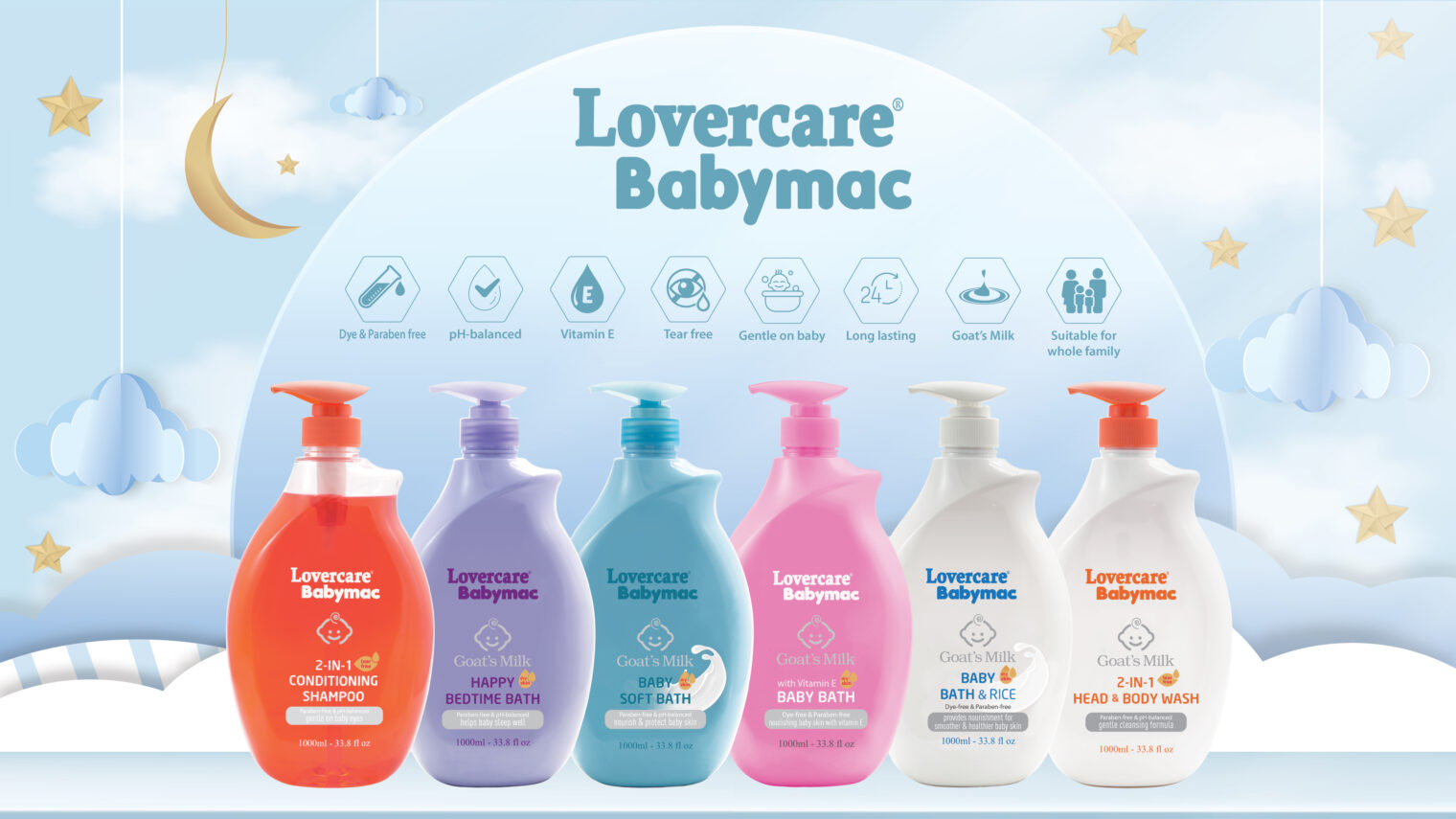
Lovercare Babymac
Lovercare baby bath products take special care of a baby’s fragile delicate skin. These gentle washes clean while keeping the skin’s natural moisture intact, so parents can use them often even for newborns.
The mild and soothing formulas aim to reduce irritation, which is crucial when it comes to babies and small kids. Lovercare’s bath range prioritizes safety, comfort, and skin health. It helps parents feel reassured while keeping their baby fresh and clean every day.

Johnson’s Baby
A household name, Johnson’s Baby offers a wide range of gentle cleansers suitable for newborns. Their products are dermatologist-tested and hypoallergenic, ensuring safe use for sensitive skin.
Aveeno Baby
Aveeno Baby is renowned for its use of natural oatmeal in its formulas, offering soothing benefits for dry and sensitive skin. Their gentle, tear-free washes are a great choice for daily use.
Cetaphil Baby
Cetaphil Baby products are specially formulated to nourish and protect delicate skin. Their gentle cleansers and moisturizers are free from harsh chemicals, making them ideal for newborns.
Tips for Bathing Your Baby

by Anastasia Zhenina (https://unsplash.com/@disguise_truth)
While choosing the right soap is vital, how you bathe your baby is equally important. Here are some tips to ensure a safe and enjoyable bath time:
- Water Temperature: Always check the water temperature before placing your baby in the bath. It should be warm, not hot, to prevent burns.
- Bath Time Duration: Keep bath time short, around 5-10 minutes. Prolonged exposure to water can dry out the skin.
- Pat Dry: After the bath, gently pat your baby’s skin dry with a soft towel. Avoid rubbing, which can irritate sensitive skin.
- Moisturize: Apply a gentle moisturizer immediately after the bath to lock in moisture and keep your baby’s skin soft and hydrated.
Conclusion
Selecting the best baby bath soap involves considering your baby’s unique skin needs and choosing products with gentle, natural ingredients. By understanding the different types of baby soaps and what to look for in their ingredients, you can ensure that bath time is both enjoyable and beneficial for your little one’s skin health. With the right choices, you can protect and nurture your baby’s delicate skin, laying the foundation for healthy skincare habits in the future.
Remember, every baby is different, and what works for one may not work for another. It’s always a good idea to do a patch test when trying a new product and consult with a pediatrician if you have concerns about your baby’s skin health.