
Do newborns really need daily moisturising, or can overdoing it harm delicate skin? We ask this because many families reach for creams straight away, yet baby skin is thinner and more absorbent in the early weeks.
We think gentle routines work best. Most infants won’t need constant care, but having a safe product on hand helps during winter, after baths or when rough patches appear.
Our approach is simple: choose short ingredient lists, favour fragrance‑free over “unscented”, and look for trusted certifications. We prioritise nourishing elements like shea butter, aloe and jojoba oil that calm and support the skin barrier without overwhelming it.
Throughout this guide we explain what to look for, when to use creams, oils or balms, and how to avoid hidden nasties like parabens, phthalates and synthetic fragrances — so you can feel confident about your pick.
Key Takeaways
- Not every child needs daily moisturising; use products at bath time, in dry weather or on rough patches.
- Pick fragrance‑free, short‑list formulas and check ingredients, not just labels.
- Look for gentle oils and butters (shea, jojoba, coconut, aloe) that support the skin barrier.
- Avoid parabens, phthalates and formaldehyde‑releasers; third‑party certifications add reassurance.
- We prioritise simple, natural options that suit sensitive and eczema‑prone skin.
Why choosing the right baby lotion matters for Australian families
Climate and water quality mean one product can behave very differently on each child’s skin. We want parents to pick simple, effective options that suit local heat, dry winds and chilly winters.
Fewer ingredients usually win. Short lists lower the chance of a reaction for sensitive skin. Fragrance‑free formulas are safer; “unscented” can still hide masking chemicals that irritate.
Creams and oil‑based products often stay on longer than a standard lotion, so they help in drier regional areas or during winter time. A calm texture that absorbs quickly prevents greasy residue on little bodies.
“Transparent brands that publish full ingredient lists help parents make confident choices.”
- Choose products that match Australia’s climate and water.
- Trust brands sold at chemists and supermarkets for easy access.
- Keep one gentle wash, a lotion and a nappy balm to simplify care.
Thoughtful choices now support healthy habits as children grow. Our aim is safe comfort and consistency: the right product used at the right moments for soft, happy skin.
When do babies actually need lotion?
Knowing when to apply moisturiser can save time and avoid unnecessary irritation for your little one. We focus on moments that matter, not a daily habit for its own sake.
Common moments: after bath time, winter dryness, and flaky patches
Warm baths can strip natural oils. A light application while skin is still slightly damp helps lock in moisture and calm any tightness.
In cooler months or low‑humidity homes, top‑ups stop dry patches from forming on cheeks, legs and tiny torsos.
Why many newborns don’t need daily moisturiser
Most newborns regulate moisture well. Too much product can upset the skin barrier and cause irritation.
Keep routines simple: cleanse gently, pat dry and use a small amount only when the skin shows signs of dryness.
- Patch test any new formula on a small area first.
- Choose fragrance‑free, clean formulas and check for certifications like EWG Verified or Made Safe.
- If redness or persistent roughness appears, consider a cream or balm and consult your GP.
How to choose a gentle, effective lotion for delicate skin
Start by reading the ingredients list—short, familiar names tend to suit delicate skin best. Dermatologists advise: the fewer ingredients, the better. This lowers the chance of a reaction and makes choices simple for busy families.
Ingredients to look for
Choose nourishing plant butters and oils. Shea butter and aloe soothe and hydrate. Chamomile calms redness. Coconut oil and jojoba oil add gentle moisture without harsh additives.
Ingredients to avoid
Avoid preservatives and additives that can irritate. Skip parabens, phthalates, phenoxyethanol, isothiazolinone and formaldehyde releasers. Also avoid essential oils, dyes, lanolin and strong surfactants.
Third‑party standards
Look for labels such as EWG Verified, Made Safe and USDA Organic. These third‑party checks make it easier to trust what’s inside each product.
Fragrance‑free vs unscented
Choose fragrance‑free rather than “unscented.” Unscented items can still include masking chemicals. A transparent ingredient list beats vague claims every time.
“We prefer simple, certified formulas that clearly list every ingredient.”
Lotion, cream, ointment or oil: which texture is best?
Different textures suit different moments: quick top‑ups, overnight repair or bath‑time massage. We look at how lotions, creams, balms and oils perform so you can match a feel to the need.
Traditional lotion: lightweight, quick absorption
Lotions are thin and fast to apply. They work well for daytime body top‑ups and warm Australian weather.
Use a lotion when you want non‑greasy comfort after dressing or before playtime.
Thicker creams for dry patches
Cream textures cushion dry areas and soak in longer than most lotions.
They are a good choice for cheeks, knees and areas that need longer hydration or added butter‑rich support.
Ointments and balms for barrier support
Ointments and balms create a protective layer that helps the skin barrier on rough or irritated spots.
Keep one pot for chapped elbows, persistent redness or nappy‑area needs.
Oils: post‑bath nourishment and massage
Natural oils like coconut and jojoba lock in moisture when applied to damp skin. They also make massage calming and effective.
“If skin dries quickly, layer a light lotion then seal rough spots with a balm for lasting comfort.”
- Choose lotion for quick, everyday use.
- Reach for cream at bedtime or during cooler months.
- Apply oil after a bath for gentle nourishment.
Dermatologist‑backed tips for sensitive and eczema‑prone skin
Simple, dermatologist‑approved steps help protect fragile skin without extra fuss.
Keep formulas simple: fewer ingredients last longer on skin
We favour short ingredient lists. Dermatologists agree: fewer components reduce the chance of a reaction.
Choose fragrance‑free products — “unscented” can hide masking chemicals. Avoid essential oils, dyes, harsh surfactants, lanolin and preservatives such as parabens, isothiazolinone and phenoxyethanol.
Recognising and responding to reactions
Patch test every new product on a small area and wait 24 hours before wider use.
If you spot redness, itch or bumps, pause use. Switch to an ointment‑based moisturiser and apply several times daily to support the barrier.
Persistent symptoms warrant a GP or paediatric dermatologist review.
- Keep bath water lukewarm and pat skin dry.
- Moisturise while skin is slightly damp to lock in hydration.
- Dress your little one in breathable cotton to cut friction and heat.
| Tip | Why it helps | When to act |
|---|---|---|
| Short ingredient lists | Lower risk of allergy or irritation | Always—read the label |
| Fragrance‑free choice | Reduces hidden fragrances and masking agents | When buying any product |
| Creams or oil textures | Offer longer protection than a thin lotion | For dry or eczema‑prone skin |
| Patch testing | Easy way to spot early irritation | New product trial |
Patch test and application: safe use every time
A quick spot test and careful application keep baby skin calm. We want every routine to be gentle and straightforward. Follow a small check before full use to protect delicate skin and reduce risk of irritation.
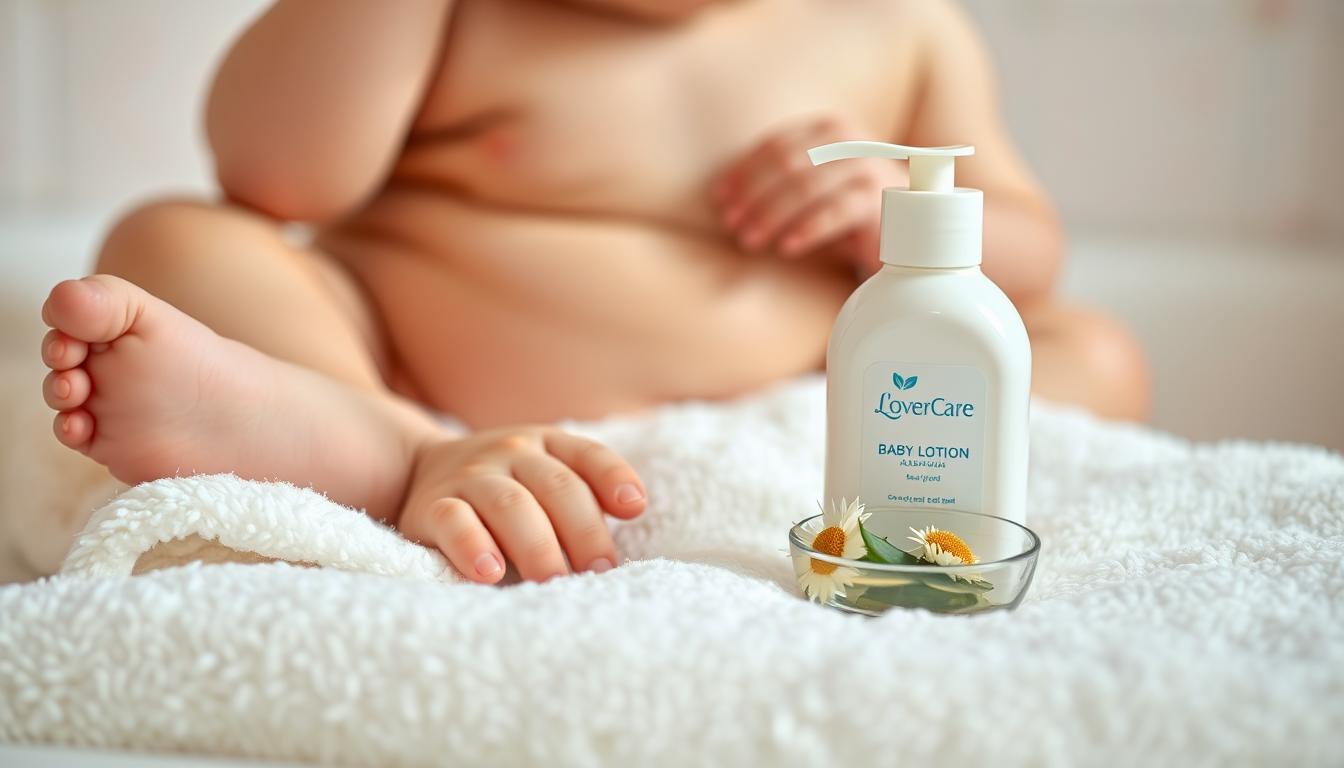
How to spot‑test on your little one
Start with a 24‑hour patch test on the forearm or thigh. Use a pea‑sized amount of the product and leave it undisturbed. Avoid applying other creams to that spot.
If there’s no redness, itch or other irritation after this time, you can apply more widely to the body. If a reaction appears, stop and switch to a plain ointment base, then consult a doctor if it persists.
Applying lotion the right way: damp skin, gentle strokes
After bath time, pat skin dry and apply baby lotion while the skin is still slightly damp. This helps lock in moisture and improves absorption.
Use gentle, downward strokes and light pressure. Focus on areas that dry first—tummy, legs and cheeks—adjusting the amount to the spot on the body.
How often should you moisturise?
Frequency depends on the day. Once is often enough, but in winter or when heaters run, twice can help. Keep routines calm and consistent and watch how skin responds.
“Simple steps, soft touches and a spot test can prevent common reactions.”
Best Baby Lotion
A short ingredient list and a light, fast‑absorbing texture often give the clearest results on delicate skin.
Gentle everyday hydration
Choose a fragrance‑free baby lotion with plant oils and a clean label. EWG Verified or USDA Organic options help you trust what’s inside.
For sensitive skin
Look for minimal‑ingredient products that skip dyes, essential oils and harsh preservatives. A small formula reduces the chance of a reaction.
For eczema‑prone or very dry patches
Reach for richer creams with soothing botanicals such as colloidal oatmeal and calendula. Layer a thin balm on top for extra barrier support.
Natural picks and multi‑taskers
Plant‑based oils and butters nourish without synthetic fragrance. Keep a balm or ointment on hand — it doubles as a family product for dry skin moments.
“Choose simple, certified products and match texture to the need — light lotion for day, cream or balm for repair.”
- Look for short ingredient lists and trusted certifications.
- Prefer widely stocked brands so you can buy locally or online in Australia.
Top picks for eczema‑prone and very dry skin
When skin shows persistent flakes or tight patches, targeted creams and balms often give faster relief than everyday lotions.
Colloidal oatmeal and calendula support
Colloidal oatmeal soothes inflammation and helps retain moisture. It is a dermatology favourite for calming visible dryness.
Calendula adds gentle botanical support and can reduce redness while the skin repairs. Look for products that list these ingredients near the top.
When to choose creams over lotions
Creams are thicker and stay on the body longer than thin lotions. For eczema‑prone skin or cold months, a cream often outperforms a lightweight option.
Dermatologists note that oil‑based or cream textures outlast lotions and protect the skin barrier better during flare‑ups.
Layering with ointments on rough spots
Apply a cream to the wider area first, then seal stubborn patches with a balm or ointment to lock in moisture.
Oils can soften scaly areas after a bath; follow with a cream or balm for lasting protection. Keep ingredient lists short so you can spot triggers easily.
“Layering a cream, then a balm, gives the barrier support it needs while calming active dryness.”
- Avoid fragrances and harsh preservatives that irritate sensitive skin.
- Choose soft cotton clothing and avoid overheating.
- If roughness persists, consult your GP or paediatric dermatologist.
| Concern | Recommended texture | Key soothing ingredients | When to use |
|---|---|---|---|
| General dry skin | Cream | Shea, jojoba oil | Daily after bath |
| Eczema‑prone skin | Thick cream + balm | Colloidal oatmeal, calendula | At first sign of flare |
| Scaly patches | Oil then cream | Coconut oil, jojoba | Post‑bath, then seal |
| Open or reactive spots | Ointment base | Petrolatum or medical balm | As directed by clinician |
Natural and organic baby lotions Australian parents trust
Choosing organic or clean‑label products can make everyday care feel safer and less fussy. We favour simple, recognisable lists that help parents spot irritants fast.
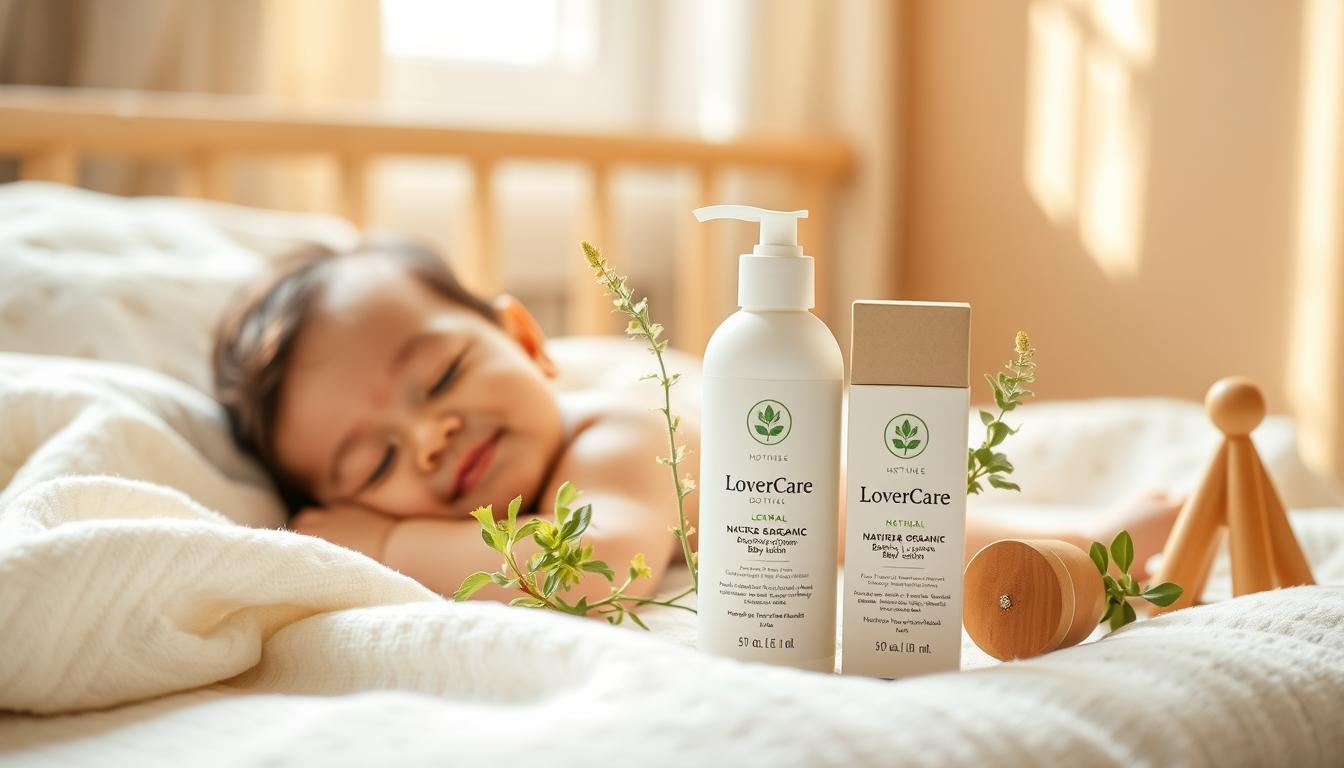
Short, clean ingredient lists
We prioritise formulas with few, familiar names. Short lists mean fewer surprises for delicate skin.
Fragrance‑free choices lower the risk of a reaction to scent.
Certified organic options
Look for EWG Verified, Made Safe or USDA Organic on the label. These certifications add extra trust for sourcing and safety.
Plant oils that nourish
Plant oils such as coconut, sunflower and sweet almond are gentle and help keep skin soft.
Shea‑enriched butters offer extra cushioning where the skin needs it most.
“Transparent brands that list every ingredient make comparing products simple for busy families.”
| Feature | Why it helps | When to use |
|---|---|---|
| Short ingredient list | Lower chance of irritation | Daily care |
| EWG/USDA/Made Safe | Independent assurance | New product trial |
| Coconut & sunflower oil | Natural hydration, quick absorption | Post‑bath or warmer days |
| Shea butter | Longer barrier support | Dry patches and cooler months |
Where to buy in Australia and how to keep it on hand
Buying the right product locally makes daily care simpler and keeps favourites within reach. Check availability before you commit so your chosen products are easy to replace.
Pharmacies, supermarkets and trusted online retailers
Most parents find chemists and supermarkets handy for regular purchases. These stores stock everyday products for quick body top‑ups and emergency needs.
Reliable online retailers fill gaps and ship fast. Read recent reviews to confirm texture, scent and continued availability.
Subscriptions and auto‑ship: saving time
Subscriptions or auto‑ship services cut last‑minute runs and save time for busy families. Use a plan for one staple product and pause when you need to.
Smart backups to avoid out‑of‑stock stress
Keep a travel‑size bottle in the nappy bag and a larger one at home. Shortlist a second trusted product in case your go‑to is sold out.
- Choose pumps or tubes that are easy to use one‑handed.
- If you use oil, pick spill‑safe caps for the move.
- Buying multipacks can be cost‑effective for frequent moisturising.
- Keep receipts and batch numbers for product tracking if needed.
Tip: simple, widely stocked products mean you’ll spend less time hunting and more time on care.
Skin care ranges that grow with your child
A consistent range makes daily care simpler as your child moves from newborn days to curious toddler years.
One full offering — shampoo, wash, lotion and nappy balm — keeps routines familiar. Using the same line helps maintain ingredient consistency and lowers the chance of surprises for delicate skin.
From newborn to toddler: keeping routines simple
We prefer ranges that move smoothly with growth. A single trusted product family means less guesswork for parents and steady skin results for babies and kids.
Transition slowly: if a child dislikes a scent or texture, patch test the new product and swap gradually.
Multi‑use products that cut clutter
Multi‑use options — hair and body wash combos or a gentle balm that doubles as a moisturiser — save space and money.
- Pump formats and larger sizes suit families with multiple children and reduce refill frequency.
- Keep a small kit at home: a wash, a lotion and a nappy balm covers most body care needs for little ones.
- Refills help you stick to one product line and avoid switching between deliveries.
“Consistency builds confidence — for you and your baby — making skin care a comforting ritual.”
Conclusion
A few clear rules help parents pick a product that soothes and protects delicate skin. Keep routines simple, choose fragrance‑free formulas and favour short ingredient lists to lower the chance of irritation.
Use a small amount while skin is slightly damp. Skip a day if your baby is comfortable; add a cream and a balm for dry patches or flare‑ups.
Oils can seal in moisture after a bath, especially in dry months. Read labels and avoid parabens, phthalates, phenoxyethanol and isothiazolinone.
Weleda Calendula and other calendula‑forward ranges can help, but always patch test first. Keep one trusted product at home and a backup in your bag for consistent care.
With the right product and calm routine, your baby’s skin can stay soft, protected and comfortable every day.
FAQ
When should we start using moisturiser on our newborn?
Most healthy newborns don’t need daily moisturising in the first few weeks. If your baby has visible dryness, flaky patches or eczema, start gently after baths with a simple, fragrance‑free moisturiser. For routine care, apply to damp skin to help seal in moisture.
How do we pick a gentle product for sensitive or eczema‑prone skin?
Choose formulas with few, well‑known ingredients such as shea butter, jojoba oil, aloe or colloidal oatmeal. Avoid parabens, phthalates, phenoxyethanol, isothiazolinones and formaldehyde releasers. Look for third‑party seals like EWG Verified or Made Safe and opt for fragrance‑free rather than simply “unscented.”
Is a cream, ointment, oil or lightweight moisturiser better for dry skin?
For everyday light hydration a lightweight moisturiser works well. Use thicker creams for persistent dry patches and eczema‑prone areas. Ointments and balms offer strong barrier support for very rough or irritated skin. Oils are great for post‑bath nourishment and gentle massage.
How should we apply moisturiser to get the best results?
Apply to gently patted damp skin within a few minutes after bathing. Use soft, downward strokes and a thin layer for everyday care; thicker layers on very dry areas. Regular application — once or twice daily, or as needed — keeps the skin barrier healthy.
How do we patch‑test a new product safely?
Dab a small amount on the inner forearm or behind the knee and wait 24–48 hours. If redness, swelling or irritation appears, stop use. For babies with a history of eczema or allergies, consult your GP or paediatric dermatologist before trying new products.
Are natural oils like coconut or sunflower safe for sensitive skin?
Many plant oils such as sunflower, jojoba and sweet almond are nourishing and well tolerated. Coconut oil can be drying or sensitising for some infants, so introduce it cautiously and patch‑test first. Prefer combinations with calming botanicals like calendula or chamomile when needed.
What should we avoid in baby skin care ingredients?
Steer clear of fragrances and artificial dyes, parabens, phthalates, isothiazolinones and formaldehyde‑releasing preservatives. Minimise complex or long ingredient lists; simpler blends lower the chance of irritation for sensitive skin.
How often is too often to moisturise?
Moisturise as needed — typically once in the morning and once after the evening bath for normal skin. For very dry or eczema‑prone skin, apply more frequently or follow your clinician’s advice. Over‑application isn’t usually harmful if the product is mild and fragrance‑free.
Can we use one product for the whole family?
Yes, many gentle, fragrance‑free creams and balms suit adults and children with sensitive or dry skin. Choose a product with simple, nourishing ingredients and no strong fragrances to reduce irritation risk for little ones.
When should we see a doctor about persistent dryness or eczema?
See your GP or paediatric dermatologist if red, weepy, itchy or thickened patches persist despite basic care, or if the rash affects sleep, feeding or general wellbeing. Early professional advice helps prevent worsening and guides targeted treatment.